Vegan Meal Planner — AI Plant-Based Meal Plans from Your Pantry
AI-generated vegan and plant-based meal plans that hit your protein, iron, and calorie targets — using only the plant foods you already have at home. Generate your first vegan plan free →
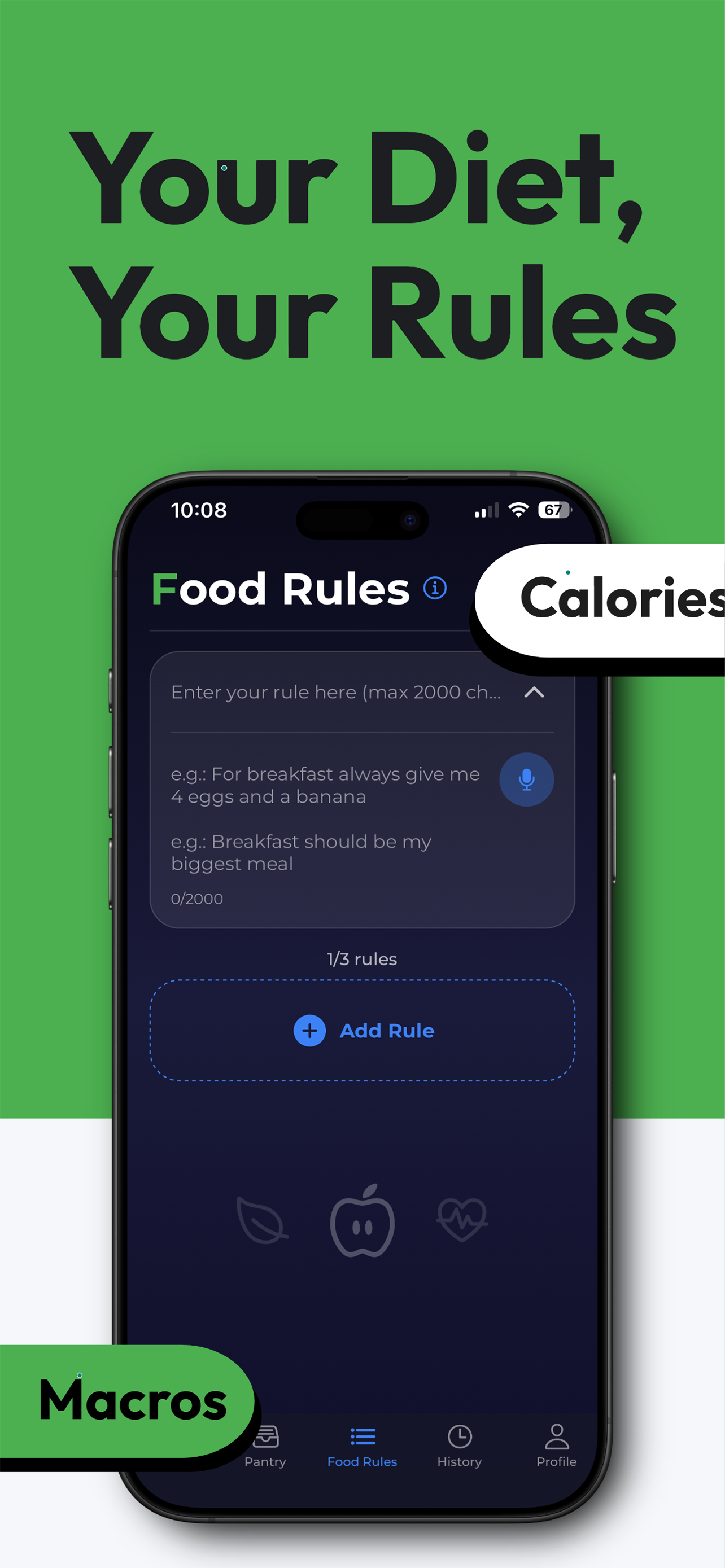
TL;DR: Set dietary rules like "no meat, dairy, or eggs" once, stock your pantry with plant foods (legumes, grains, tofu, vegetables, nuts), and the AI generates complete vegan meal plans that hit your macro targets every time. No protein-combining guesswork, no recipe hunting, no missed nutrients.
Quick Answer: What is a vegan meal planner?
A vegan meal planner is a tool that generates complete daily or weekly meal plans using only plant-based foods — no meat, fish, dairy, eggs, or honey. An AI-powered vegan meal planner like Qedamio goes further: it calculates exact portions to hit your calorie and protein targets, combines legumes, grains, nuts, and vegetables in the right proportions for balanced nutrition, and uses only the foods you already have in your pantry. The result: actionable, nutritionally complete plant-based meal plans without recipe hunting or protein-combining math.
Vegan vs Vegetarian vs Plant-Based — What's the Difference?
These terms are often used interchangeably, but they describe different eating patterns. Understanding the difference helps you set the right Food Rules in your meal planner:
| Diet | Meat & Fish | Dairy & Eggs | Honey | Typical Motivation |
|---|---|---|---|---|
| Vegan | Excluded | Excluded | Excluded | Ethical, animal welfare, environmental |
| Plant-Based | Excluded (mostly) | Sometimes allowed | Sometimes allowed | Health, longevity, whole-food focus |
| Vegetarian (Lacto-Ovo) | Excluded | Allowed | Allowed | Religious, ethical, flexible |
| Pescatarian | Fish allowed | Allowed | Allowed | Health, omega-3 concerns |
| Flexitarian | Occasional | Allowed | Allowed | Reduce (not eliminate) animal products |
For meal planning purposes, vegan is the strictest. If you can build a vegan plan that hits your macros, you can easily adapt it for any of the others by relaxing rules.
Why Vegan Meal Planning Is Harder Than Omnivore Planning
On an omnivore diet, hitting your protein target is simple — chicken breast, eggs, and Greek yogurt do most of the work. On a vegan diet, protein is distributed across more foods in smaller amounts. A cup of lentils gives you ~18g protein, a cup of chickpeas ~15g, and a cup of quinoa ~8g. To hit 120g of protein daily, you need to combine several plant sources across every meal — precisely.
This is where most vegan meal planning breaks down. People either undereat protein (losing muscle), overeat calorie-dense foods like nuts and oils (stalling fat loss), or fall back on repetitive meals (tofu rice bowl, again). The math is harder, the food variety matters more, and the nutrient balancing is stricter.
A personalized AI meal planner solves exactly this. It knows which plant foods are protein-dense, which are calorie-dense, and how to combine them so your daily totals hit your goals. No manual calculations, no guessing whether you got enough iron, no protein-combining charts taped to your fridge.
How Qedamio Works for Vegan Meal Planning
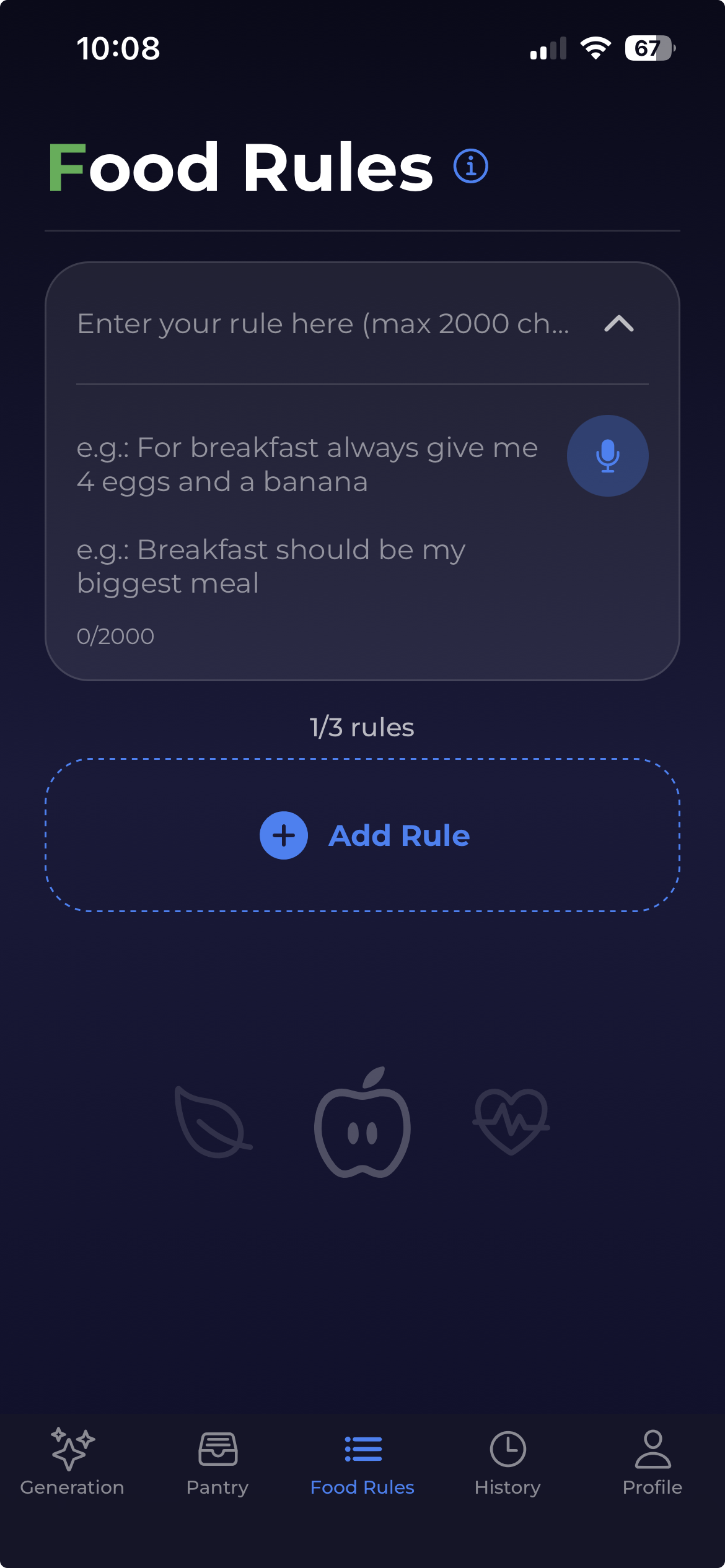
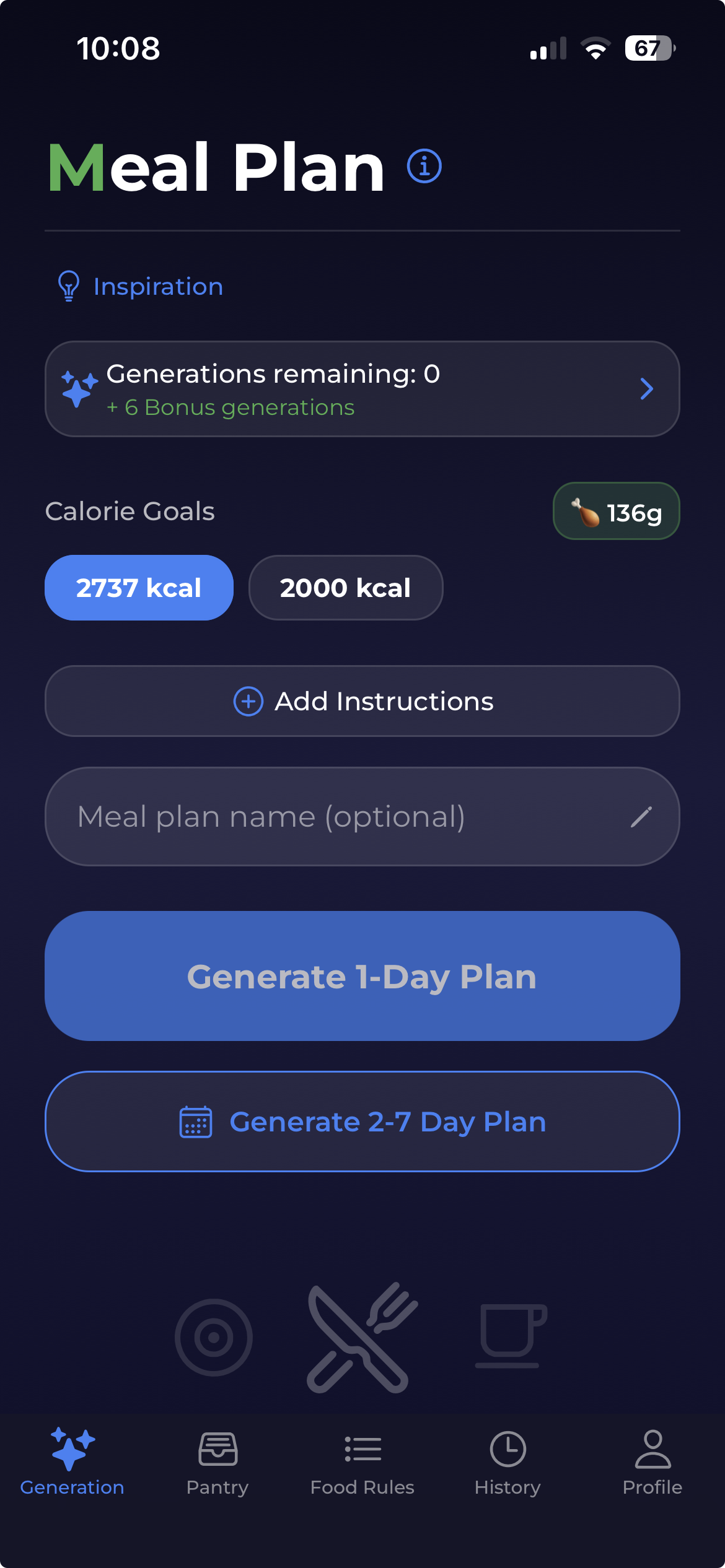
- Set Vegan Food Rules: Create rules once, like "No meat, fish, dairy, eggs, or honey", "Minimum 25g protein per meal", or "Include legumes at lunch and dinner". The AI follows these rules on every plan.
- Calculate Your Macros: Use the built-in macro calculator to find your calorie, protein, carb, and fat targets. Aim for 1.6–2.2g protein per kg body weight if you're active.
- Stock a Plant-Based Pantry: Add lentils, chickpeas, black beans, tofu, tempeh, quinoa, oats, brown rice, nuts, seeds, and your favorite vegetables. The AI uses strictly these foods — it never invents ingredients.
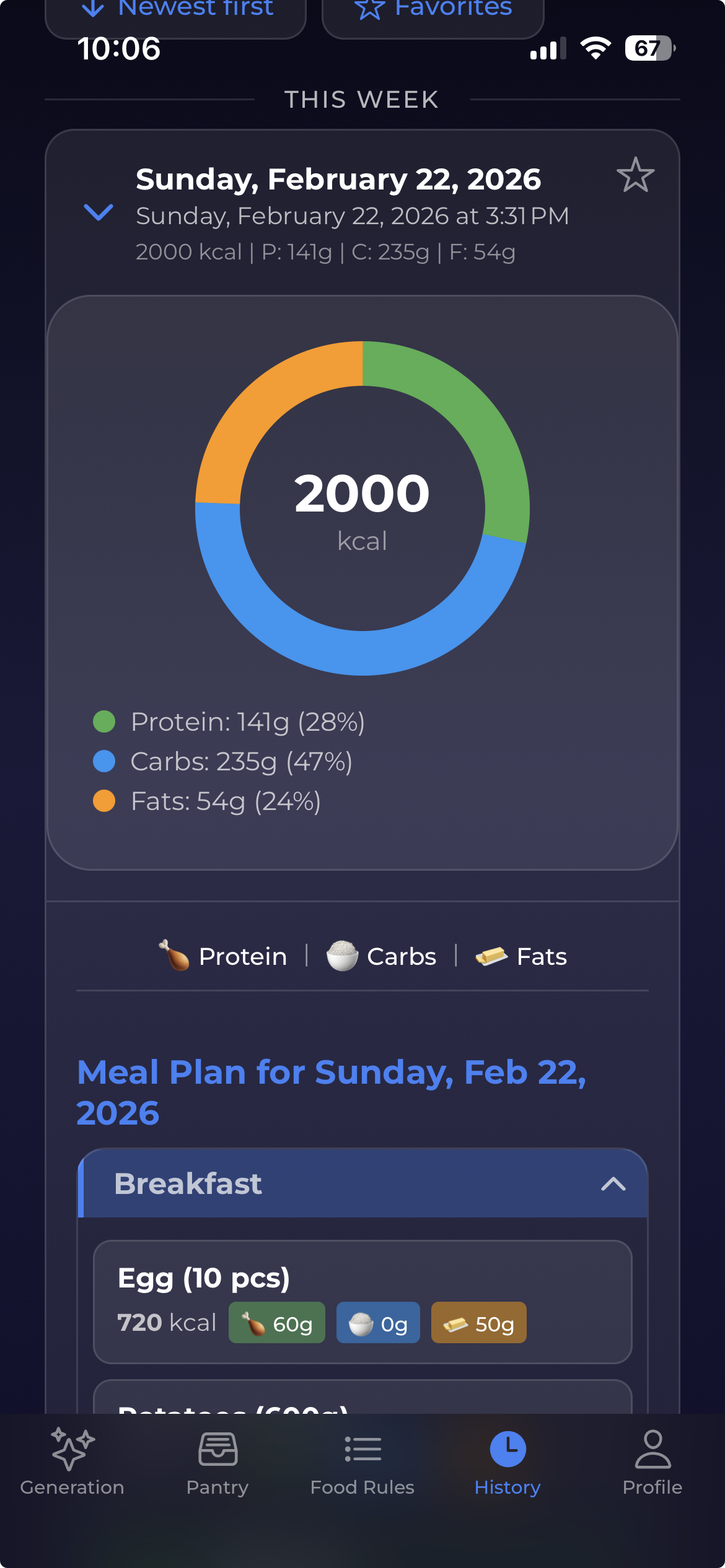
- Generate: Get a complete vegan meal plan with exact portions, per-meal macros, and quick prep instructions. Every plan hits your targets without animal products.
Best Vegan Protein Sources (Ranked by Protein Density)
Protein is the #1 concern for most people starting a plant-based diet — and rightfully so. For the full breakdown of animal and plant protein sources, see our high-protein foods guide. Here are the top plant-based protein sources, ranked by protein per 100g:
| Food | Protein (per 100g) | Calories | Best For |
|---|---|---|---|
| Seitan | ~25g | ~120 | Muscle building, high-protein meals |
| Tempeh | ~19g | ~190 | Complete protein, gut health |
| Firm Tofu | ~15g | ~145 | Versatile, every meal type |
| Edamame | ~11g | ~120 | Snacks, complete protein |
| Lentils (cooked) | ~9g | ~115 | Stews, bowls, meal prep |
| Chickpeas (cooked) | ~9g | ~165 | Bowls, curries, hummus |
| Black Beans (cooked) | ~9g | ~130 | Mexican bowls, soups |
| Quinoa (cooked) | ~4g | ~120 | Complete protein grain |
| Oats (dry) | ~13g | ~380 | Breakfast, protein oats |
| Vegan Protein Powder | ~75g | ~380 | Post-workout, smoothies |
Tip: You don't need to "combine" proteins at every meal to get complete amino acid profiles — this is an outdated myth. As long as you eat a variety of plant proteins throughout the day, your body pools amino acids and uses them where needed. Focus on hitting your daily total, not micro-managing each meal.
Why AI Meal Planning Works for Vegan Diets
Protein Math Across Multiple Sources
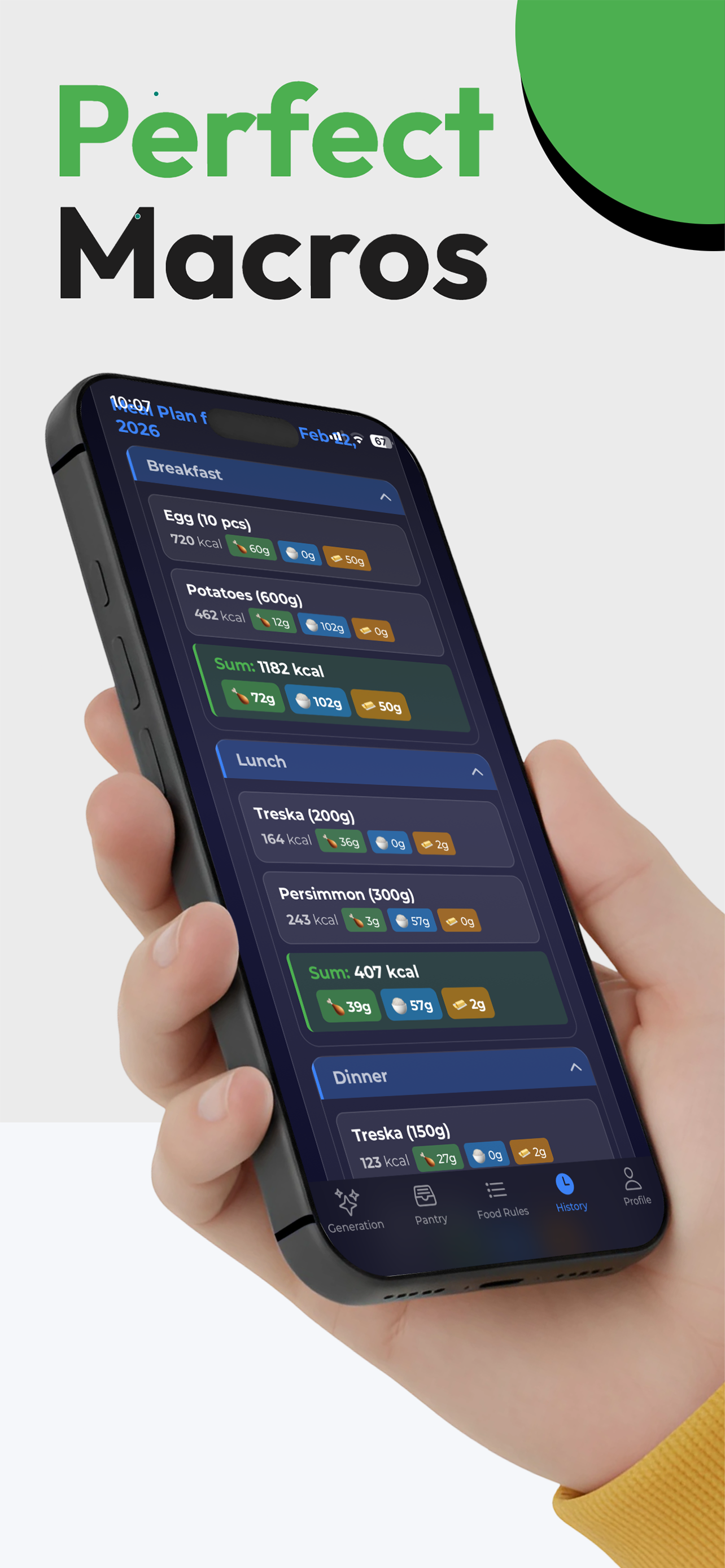
Hitting 120g protein from plants means combining 4–6 different sources across the day. The AI calculates exact portions so every meal contributes meaningfully — no more guessing if your lentil bowl has 15g or 25g of protein. Every plan shows per-meal protein so you can verify and trust the math.
Calorie Density Balancing
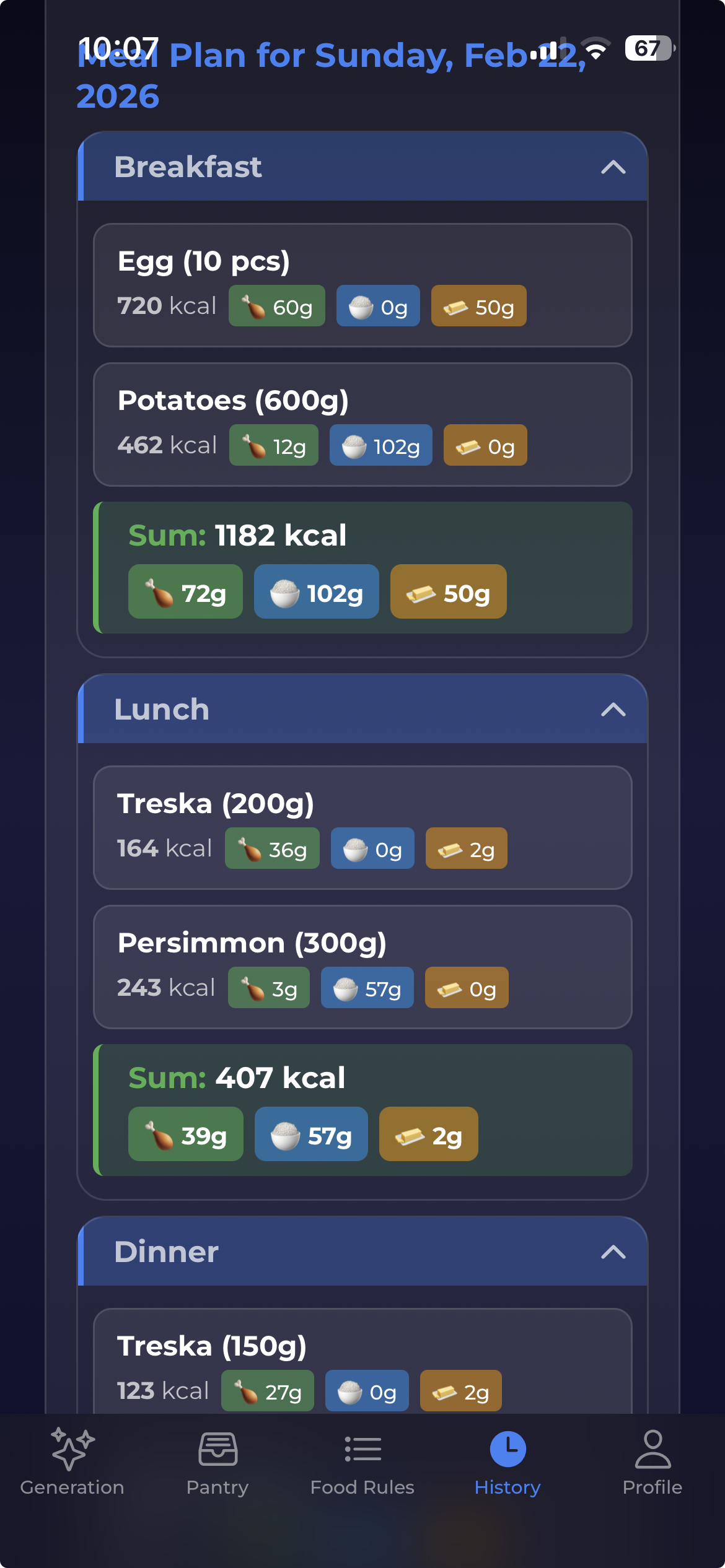
Plant foods span a huge range: spinach is ~23 kcal/100g, while almonds are ~580 kcal/100g. Build a salad wrong and you either eat 3 bowls to hit calories or load on oil and blow your fat target. The AI balances high-volume vegetables with calorie-dense legumes, grains, and nuts so meals feel satisfying without overshooting.
Food Rules Lock In Your Vegan Style
Qedamio's Food Rules are what make plant-based planning automatic. Set rules once and they apply to every plan:
- "No meat, fish, dairy, eggs, or honey" (strict vegan baseline)
- "Minimum 25g protein per meal" (muscle building)
- "Include legumes at least twice daily" (iron and protein)
- "Add nuts or seeds daily" (omega-3 and zinc)
- "No processed vegan meats" (whole-food plant-based)
- "Include dark leafy greens daily" (calcium and iron)
Pantry-First Means Less Waste
Plant-based eaters often end up with forgotten beans, wilting greens, and half-used grains. The AI uses strictly your pantry inventory — so every plan uses what you have before it goes bad. This ties directly into reducing food waste, which is already one of the biggest reasons many people go plant-based.
Try Vegan Meal Planning for Free
Set your vegan rules, add your plant foods, and generate your first AI-powered plant-based meal plan in under a minute. 7 free plans included. No credit card required.
Essential Nutrients for Vegans (and How to Get Them)
A well-planned vegan diet can meet almost all nutritional needs. The exceptions are vitamin B12 (not produced by plants) and, for some people, vitamin D and omega-3s. Here's what to watch and how to cover the gaps:
Vitamin B12 — The One You Must Supplement
B12 is produced by bacteria, not plants. No whole plant food reliably contains B12 in active form. Every vegan should take a B12 supplement (cyanocobalamin or methylcobalamin) — this is non-negotiable. According to the NIH Office of Dietary Supplements, deficiency can cause irreversible nerve damage and megaloblastic anemia, and symptoms often take years to appear. Don't skip it.
Iron — Pair with Vitamin C
Plant iron (non-heme) is less bioavailable than animal iron (heme), but you can dramatically improve absorption by pairing iron-rich foods with vitamin C. Eat lentils with bell peppers, tofu with broccoli, or black beans with tomatoes. Avoid coffee and tea with meals — they block iron absorption. See the Harvard T.H. Chan School of Public Health guide on iron for detailed bioavailability data. Best vegan iron sources: lentils, tofu, tempeh, pumpkin seeds, spinach, dark chocolate.
Omega-3 — Use Algae Oil or Seeds
EPA and DHA (the most bioavailable omega-3s) come from fish, but fish get them from algae. Take an algae oil supplement for direct EPA/DHA, or eat flaxseeds, chia seeds, walnuts, and hemp seeds for ALA (which your body converts to EPA/DHA at lower efficiency). Aim for 1–2 tablespoons of ground flax or chia daily.
Calcium — Fortified Plant Milks & Greens
Dairy isn't the only calcium source. Fortified soy milk, almond milk, and oat milk often contain as much calcium as cow's milk. Whole-food sources include tofu (calcium-set), bok choy, kale, broccoli, almonds, tahini, and fortified orange juice. The Academy of Nutrition and Dietetics recommends 1,000 mg daily for most adults.
Zinc, Iodine, Vitamin D
Zinc comes from legumes, seeds, and whole grains. Iodine from iodized salt or seaweed (but don't overdo seaweed). Vitamin D from sunshine or supplementation (most people, vegan or not, need a D3 supplement in winter).
Qedamio Food Rules for nutrient coverage: Add rules like "Include iron-rich food daily", "Add a source of calcium to breakfast", or "Include omega-3 seeds daily". The AI prioritizes these foods in every plan so you don't have to remember.
Vegan Meal Planning for Different Goals
Vegan Weight Loss
A plant-based diet is one of the most effective approaches for fat loss — fiber-rich foods are highly satiating for their calorie cost. Set a 300–500 kcal deficit below your TDEE, keep protein at 1.8–2.0g/kg, and let the AI build high-volume meals from vegetables, legumes, and lean plant proteins. Avoid calorie traps: oils, nuts in excess, and processed vegan foods. See the full weight loss planner guide.
Vegan Muscle Building
Yes, you can build serious muscle on a vegan diet — the research is clear. You need a calorie surplus (200–300 kcal above TDEE) and 1.6–2.2g protein per kg body weight. The best high-protein plant foods for bulking are seitan, tempeh, tofu, lentils, edamame, and vegan protein powder. The AI generates bulking plans up to 3,000+ calories using your plant pantry. For a high-protein focus, set a per-meal minimum in your Food Rules.
Vegan Cutting & Body Recomposition
Cutting on a vegan diet is challenging because protein density is lower. The key is maximizing protein from seitan, tempeh, tofu, and vegan protein powder while staying in a moderate deficit. Set protein to 2.2g/kg+ to preserve muscle, cut calories 400–500 below TDEE, and follow a cutting meal plan. The AI handles the high-protein, lower-calorie balance automatically.
Vegan Meal Prep
Plant foods are excellent for meal prep — cooked legumes, grains, and roasted vegetables keep 4–5 days in the fridge. Generate a multi-day plan (Pro tier), get a shopping list, batch-cook once, and eat vegan meals all week. Overnight oats, grain bowls, and curry bases are perfect prep foods.
Common Vegan Meal Planning Mistakes — And How AI Prevents Them
1. Not Eating Enough Protein
The #1 mistake. Without animal products, many people unknowingly eat 40–60g of protein daily when they need 120g+. The AI tracks every plant protein source and builds plans that hit your full target. Every meal shows exact protein so you know you're on track.
2. Relying on Processed Vegan Foods
"Vegan" doesn't mean "healthy". Vegan burgers, cheeses, and frozen meals are often highly processed and calorie-dense without the protein or micronutrients of whole foods. The AI prioritizes whole foods from your pantry — you control what goes in.
3. Too Much Oil, Nuts, and Avocado
Healthy fats are still calorie-dense. A tablespoon of olive oil is 120 kcal. Half a cup of almonds is ~400 kcal. These foods blow calorie budgets fast. The AI uses them strategically — enough for flavor and satiety, not so much that they dominate your macro budget.
4. Skipping B12 and Other Key Supplements
Meal planning can't replace supplementation for B12. Qedamio focuses on the food side, but a B12 supplement is non-negotiable for all vegans. Set a daily reminder — it takes 5 seconds.
5. Eating the Same 3 Meals on Repeat
Tofu rice bowl, oatmeal, pasta. Sound familiar? Repetitive eating leads to nutritional gaps and diet burnout. The AI generates fresh combinations from your pantry every time — different legumes, grains, and vegetables in each plan. See our weekly planning guide for variety strategies.
Key Takeaways:
• Vegan meal planning is harder than omnivore planning because protein and nutrients are distributed across more foods — AI solves the math.
• Best vegan protein sources: seitan, tempeh, tofu, lentils, chickpeas, edamame, and vegan protein powder. Aim for 1.6–2.2g per kg body weight.
• B12 must be supplemented — no exceptions. Also monitor iron (pair with vitamin C), omega-3s (algae oil or seeds), and calcium.
• Use Food Rules to lock in your vegan style ("no animal products", "minimum protein per meal", "iron-rich food daily") — apply them once, use them forever.
• You can lose fat, build muscle, and recomp on a well-planned vegan diet — the rules are the same (calories, protein, training), only the food sources change.
Frequently Asked Questions
How does AI help with vegan meal planning?
AI generates complete vegan meal plans that hit your daily calorie and macro targets using only the plant foods in your pantry. It handles the hardest part of plant-based eating — combining legumes, grains, nuts, and vegetables in the right proportions to deliver enough protein, iron, and calories without animal products.
Can you get enough protein on a vegan diet?
Yes. Lentils, chickpeas, black beans, tofu, tempeh, edamame, seitan, quinoa, oats, and plant-based protein powders all provide substantial protein. The key is eating a variety of sources and hitting your daily total (1.6–2.2g per kg body weight for active people).
What is the difference between vegan and plant-based?
Vegan excludes all animal products and is often an ethical lifestyle. Plant-based is more flexible — it focuses on eating mostly or entirely plants for health reasons. For meal planning, both share the same core: build meals around vegetables, legumes, grains, nuts, seeds, and fruits.
How do I build muscle on a vegan diet?
Building muscle on a vegan diet requires the same three things as any diet: a calorie surplus, adequate protein (1.6–2.2g per kg body weight), and resistance training. Focus on high-protein plant foods like tofu, tempeh, seitan, lentils, edamame, and vegan protein powder.
What nutrients do vegans need to pay attention to?
The main nutrients to monitor are vitamin B12 (supplementation required), vitamin D, omega-3 fatty acids (algae oil, flax, chia, walnuts), iron (pair with vitamin C), zinc, calcium, and iodine. A well-planned vegan diet can meet all other nutritional needs.
Can I lose weight on a vegan meal plan?
Absolutely. Plant-based diets are often naturally lower in calories and higher in fiber, which increases satiety. The key is still a calorie deficit — you can gain weight on any diet if you overeat calorie-dense foods like nuts, oils, and vegan processed foods.
References
- Melina V, Craig W, Levin S. "Position of the Academy of Nutrition and Dietetics: Vegetarian Diets." J Acad Nutr Diet. 2016;116(12):1970-1980.
- Mariotti F, Gardner CD. "Dietary Protein and Amino Acids in Vegetarian Diets — A Review." Nutrients. 2019;11(11):2661.
- Rogerson D. "Vegan diets: practical advice for athletes and exercisers." J Int Soc Sports Nutr. 2017;14:36.
- Hevia-Larraín V, et al. "High-Protein Plant-Based Diet Versus a Protein-Matched Omnivorous Diet to Support Resistance Training Adaptations." Sports Med. 2021;51(6):1317-1330.
- Pawlak R, Parrott SJ, Raj S, Cullum-Dugan D, Lucus D. "How prevalent is vitamin B(12) deficiency among vegetarians?" Nutr Rev. 2013;71(2):110-117.
- Bakaloudi DR, et al. "Intake and adequacy of the vegan diet. A systematic review of the evidence." Clin Nutr. 2021;40(5):3503-3521.
← Back to AI Meal Planner · Related: Weight Loss Planner · High Protein Planner · Muscle Building Planner · Pantry Meal Planner · Reduce Food Waste · Macro Meal Planner
Disclaimer: This article is for informational purposes only and does not constitute medical or nutritional advice. A well-planned vegan diet is appropriate for all stages of life according to major dietetic associations, but individual needs vary. Consult a qualified healthcare professional or registered dietitian before making significant dietary changes, especially if you are pregnant, nursing, have an existing medical condition, or are planning a vegan diet for a child. Vitamin B12 supplementation is required for all vegans.