Bulking Meal Plan — Lean Bulk, Clean Bulk & 3000+ Calorie Plans
Build muscle with a structured calorie surplus. Learn the difference between lean, clean, and dirty bulking — plus a complete 3000 calorie meal plan you can follow today.
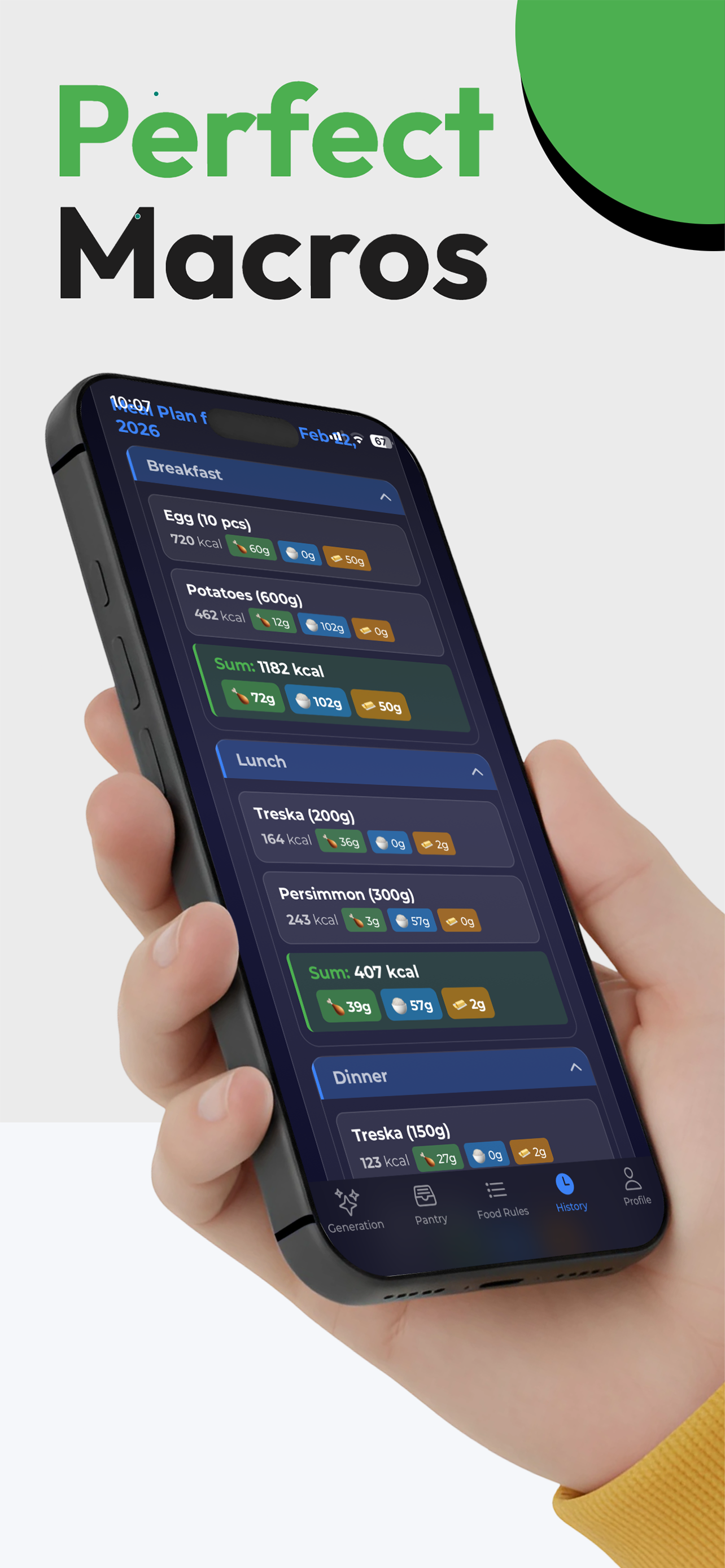
TL;DR: A bulking meal plan focuses on eating in a calorie surplus (200-500 kcal above TDEE) with high protein (1.6-2.2g/kg) to maximize muscle growth while minimizing fat gain. A lean bulk is the most efficient approach for most lifters.
Clean Bulk vs Lean Bulk vs Dirty Bulk
Not all bulks are created equal. The type of bulk you choose determines how much muscle you gain relative to fat, how long you can sustain it, and how hard your next cut will be. Here is how they compare:
| Aspect | Lean Bulk | Clean Bulk | Dirty Bulk |
|---|---|---|---|
| Calorie Surplus | 200-300 kcal | 300-500 kcal | 500-1000+ kcal |
| Fat Gain | Minimal | Low-moderate | Significant |
| Muscle Gain Rate | Steady | Good | Fast (with more fat) |
| Food Quality | High — whole foods | High — whole foods | Any — including junk |
| Duration | 4-12+ months | 3-6 months | 1-3 months |
| Best For | Experienced lifters | Most people | Underweight beginners |
| Cutting Needed After | Short/easy cut | Moderate cut | Long/hard cut |
Lean bulk is the gold standard for experienced lifters. The small surplus of 200-300 kcal ensures nearly all weight gained is muscle, but progress is slow and requires precise tracking. You can sustain a lean bulk for a year or more without needing to cut.
Clean bulk is the best choice for most people. The 300-500 kcal surplus provides a clear anabolic signal for muscle growth while keeping fat gain manageable. Food quality stays high — whole grains, lean proteins, fruits, vegetables — but you have more flexibility with portions. A clean bulk typically lasts 3-6 months before a moderate cut is needed.
Dirty bulk means eating everything in sight with no regard for food quality. While it does produce fast weight gain, a significant portion is fat rather than muscle. This approach only makes sense for underweight beginners who struggle to eat enough, or competitive lifters in specific off-season phases. The long, difficult cut required afterward makes it inefficient for most people.
Our recommendation: Start with a clean bulk (+300-500 kcal). If you are an experienced lifter who already has a solid training foundation and wants to stay lean year-round, move to a lean bulk (+200-300 kcal). Avoid dirty bulking unless you are genuinely underweight.
How to Calculate Your Bulking Calories
Getting your calorie target right is the foundation of any successful bulk. Too small a surplus and you will not gain; too large and you will gain mostly fat. Follow these three steps:
Step 1: Calculate Your TDEE
Your Total Daily Energy Expenditure (TDEE) is the number of calories you burn per day including all activity. Use the Mifflin-St Jeor equation to find your BMR, then multiply by your activity factor. For a detailed walkthrough, see our guide on calculating macros.
Step 2: Add Your Surplus
- Lean bulk: TDEE + 200-300 kcal
- Clean bulk: TDEE + 300-500 kcal
- Dirty bulk: TDEE + 500+ kcal (not recommended for most)
Step 3: Set Your Macros
- Protein: 1.6-2.2g per kg of body weight — the most important macro for muscle growth
- Fat: 0.8-1.2g per kg of body weight — essential for hormones and recovery
- Carbs: Fill the remaining calories with carbohydrates — your primary fuel for training
Worked example: 80 kg male, TDEE 2,750 kcal. Lean bulk: 2,950-3,050 kcal. Protein: 160g (640 kcal). Fat: 80g (720 kcal). Carbs: ~400g (1,600 kcal).
Best Foods for Bulking
The best bulking foods are calorie-dense, nutrient-rich, and easy to prepare in bulk. Here are the top picks for building a solid bulking diet:
| Food | Calories/100g | Protein/100g | Why It's Great |
|---|---|---|---|
| Chicken breast | 165 | 31g | Lean protein staple |
| Whole eggs | 155 | 13g | Complete protein + healthy fats |
| Salmon | 208 | 25g | Protein + omega-3 fats |
| Lean beef | 170 | 26g | High protein + iron + creatine |
| Greek yogurt | 100 | 10g | Casein protein, versatile |
| Oats | 389 | 17g | Complex carbs + fiber |
| White rice | 130 | 2.7g | Easy-to-digest carbs |
| Sweet potato | 86 | 1.6g | Complex carbs + vitamins |
| Banana | 89 | 1.1g | Quick carbs, great pre-workout |
| Peanut butter | 588 | 25g | Calorie-dense, healthy fats |
| Olive oil | 884 | 0g | Calorie-dense healthy fat |
| Bread (whole grain) | 265 | 13g | Convenient carb source |
Add these foods to your Qedamio pantry and the AI will calculate the exact portions needed to hit your bulking calories and macros. The more foods you have available, the more varied and interesting your meal plans will be.
Sample 3000 Calorie Bulking Meal Plan
Here is a full day of eating at approximately 3,000 kcal — a common bulking target for men weighing 70-90 kg. This plan prioritizes protein distribution across all meals to maximize muscle protein synthesis throughout the day.
- Breakfast: Oatmeal (100g) + banana + 2 whole eggs + 2 egg whites — ~600 kcal, 35g P
- Snack: Greek yogurt (200g) + peanut butter (20g) + honey — ~350 kcal, 25g P
- Lunch: Chicken breast (200g) + white rice (150g dry) + olive oil (10g) + vegetables — ~800 kcal, 55g P
- Pre-Workout Snack: Banana + rice cakes + honey — ~250 kcal, 5g P
- Post-Workout: Protein shake + banana — ~300 kcal, 30g P
- Dinner: Salmon (200g) + sweet potato (200g) + mixed salad — ~700 kcal, 45g P
Daily Total: ~3,000 kcal | ~195g Protein | ~350g Carbs | ~85g Fat
This is a template — your actual plan should be built from foods you have available. Qedamio's AI generates personalized bulking plans from your pantry with exact portions, per-meal macros, and quick recipe instructions. No generic templates needed.
How to Meal Prep for a Bulk
Eating 3,000+ calories of whole foods every day takes effort. Meal prep is the difference between hitting your surplus consistently and falling short. Here is how to make it work:
- Batch cook proteins on Sunday: Grill or bake 1-2 kg of chicken breast and lean beef. Store in containers — ready to reheat all week.
- Cook carbs in bulk: Prepare a large batch of white rice, sweet potatoes, or both. Rice keeps well for 4-5 days refrigerated.
- Pre-portion into containers: Divide proteins and carbs into daily containers with the exact portions from your meal plan. Add vegetables and fats when eating.
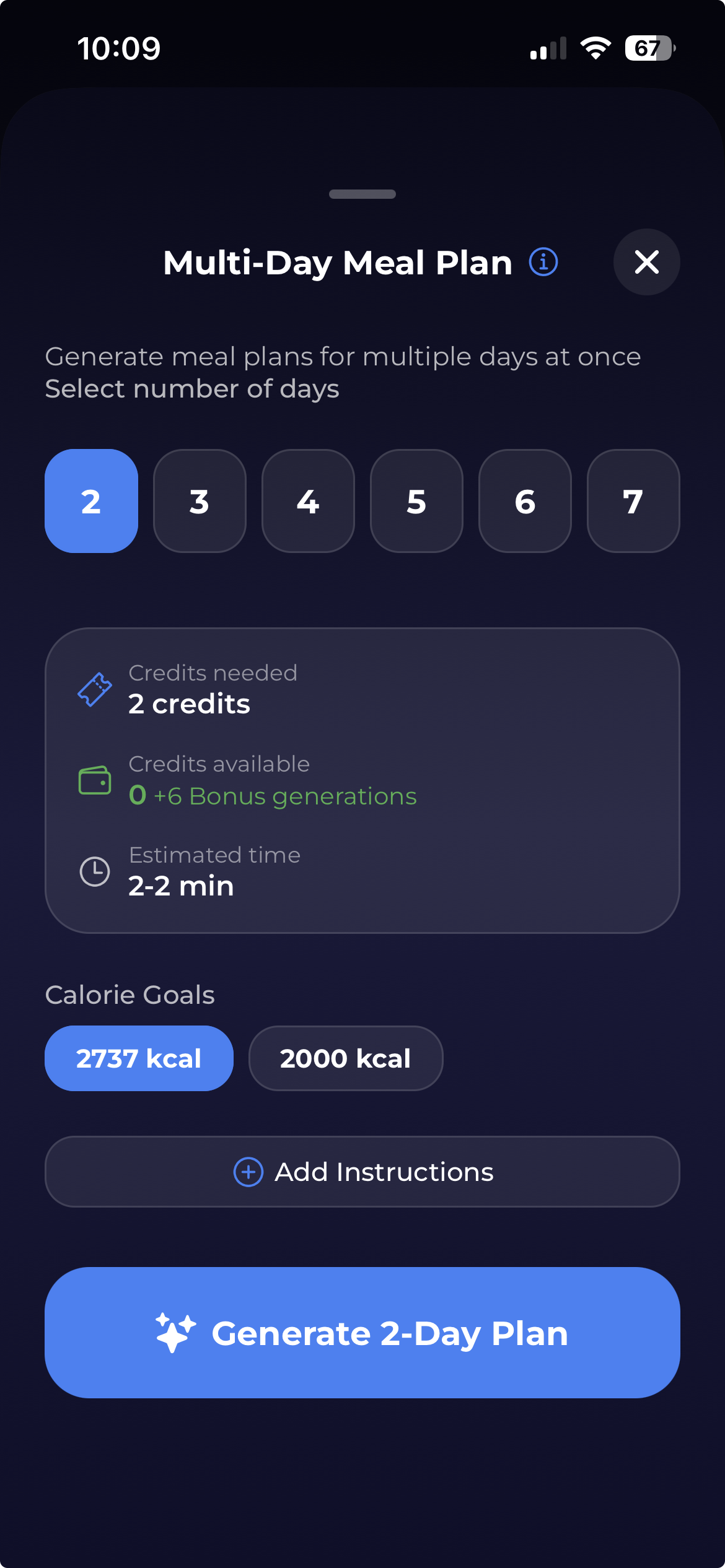
- Use multi-day generation in Qedamio: Pro subscribers can generate 2-7 day meal plans at once — perfect for planning an entire week of bulking meals in one go.
- Generate shopping lists from meal plans: Qedamio creates aggregated shopping lists from your generated plans, so you know exactly what to buy for the week.
Consistent meal prep eliminates the daily decision of "what should I eat?" — the number one reason people fail to maintain a calorie surplus. Cook once, eat all week, grow.
When to Switch from Bulking to Cutting
A bulk does not last forever. Knowing when to transition to a cutting phase is critical for long-term physique development. Here are the signs it is time to cut:
- Body fat exceeds 15-18% (men) or 25-28% (women): Beyond these levels, insulin sensitivity decreases and a larger proportion of additional calories gets stored as fat rather than used for muscle growth. Cutting back to 10-12% (men) or 18-22% (women) resets your body's ability to partition nutrients toward muscle.
- You have been bulking for 4-6+ months: Even a well-structured bulk accumulates some fat over time. A planned cutting phase of 6-12 weeks resets your body composition before the next bulk.
- Strength gains plateau: If your lifts are stalling despite adequate calories and recovery, it may be time for a deload or a brief cut to improve training responsiveness.
The bulk/cut cycle is the most proven approach to long-term muscle building: bulk to gain muscle, cut to reveal it, then bulk again from a leaner starting point. Each cycle adds muscle while keeping body fat in check. For detailed guidance on the cutting phase, see our cutting diet meal planner.
Frequently Asked Questions
How many calories should I eat for bulking?
Eat your TDEE plus 200-500 kcal for most people. A lean bulk adds 200-300 kcal above maintenance, while a clean bulk adds 300-500 kcal. Use the TDEE calculator to find your maintenance calories first, then add the surplus based on your goals.
What are the best foods for bulking?
Chicken, eggs, rice, oats, salmon, Greek yogurt, sweet potato, peanut butter. Focus on high-protein whole foods as the foundation of your bulking diet, and add calorie-dense foods to reach your surplus.
How long should a bulk last?
3-6 months for a clean bulk, up to 12+ months for a lean bulk. Stop when body fat gets too high (above 15-18% for men) or when strength gains plateau. Then transition to a cutting phase.
Can I bulk without gaining fat?
Some fat gain is inevitable, but a lean bulk (+200-300 kcal surplus) minimizes it significantly. Keep protein high at 1.6-2.2g per kg, train with progressive overload, and be patient.
What is a 3000 calorie meal plan good for?
3000 calories is a common bulking target for men weighing 70-90 kg who are moderately active. It provides a surplus of 200-500 kcal above maintenance for most men in this range. Adjust based on your personal TDEE.
References
- Iraki J, et al. "Nutrition Recommendations for Bodybuilders in the Off-Season." J Int Soc Sports Nutr. 2019.
- Slater GJ, et al. "Is an Energy Surplus Required to Maximize Skeletal Muscle Hypertrophy?" Front Nutr. 2019. frontiersin.org
- Helms ER, et al. "Evidence-based recommendations for natural bodybuilding contest preparation." J Int Soc Sports Nutr. 2014.
← Back to AI Meal Planner · Related: Muscle Building Planner · Cutting Diet Planner · High Protein Foods Guide · Pre & Post Workout Nutrition · Meal Prep Planner
Disclaimer: This article is for informational purposes only and does not constitute medical or nutritional advice. Consult a qualified healthcare professional or registered dietitian before making significant changes to your diet, especially if you have pre-existing health conditions.