How Much Protein Do You Need Per Day?
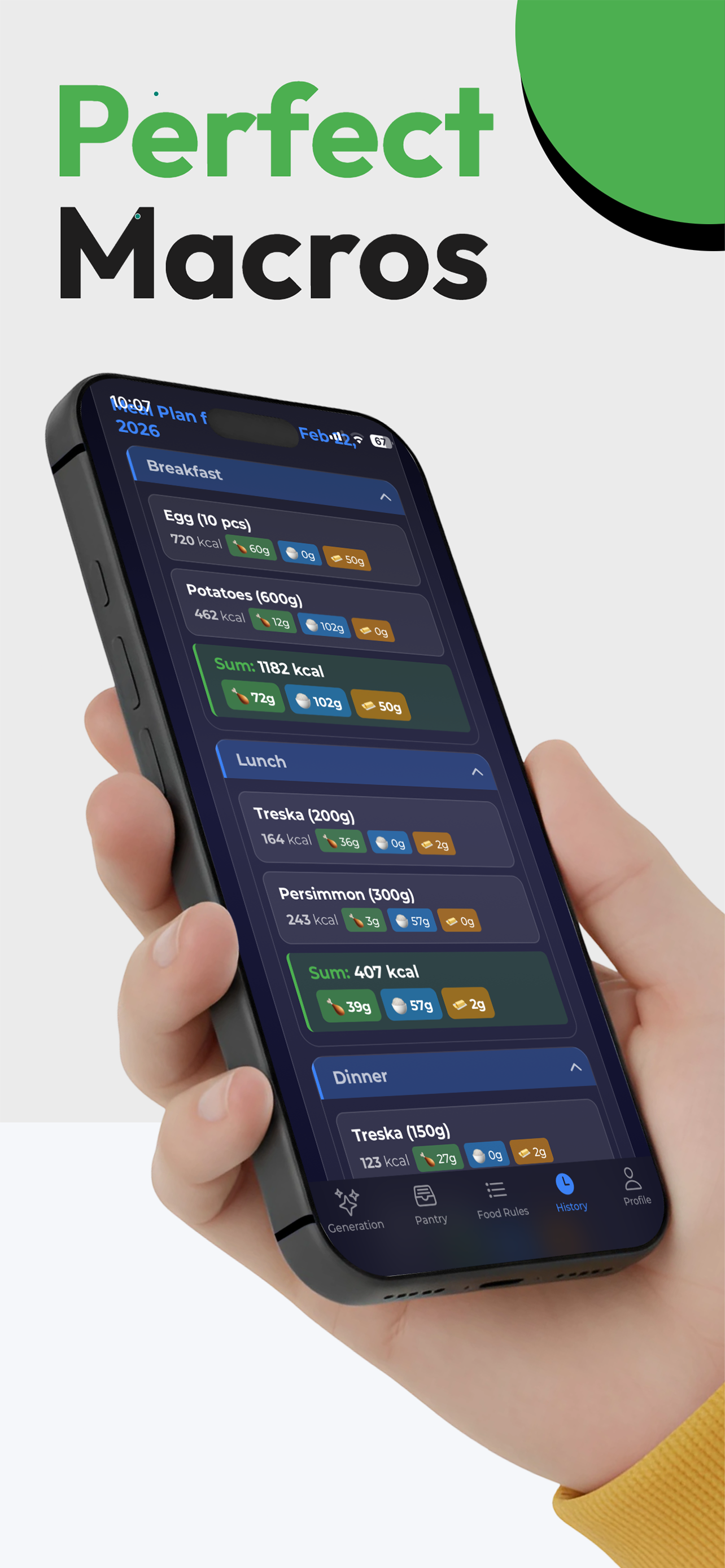
TL;DR: Most adults need 1.6-2.2g of protein per kilogram of body weight per day for fitness goals. For an 80 kg person, that's 128-176g daily. Prioritize lean meats, fish, eggs, dairy, and legumes to hit your target.
Protein is the single most important macronutrient for body composition. Whether you're trying to lose fat, build muscle, or simply maintain your physique, getting the right amount of protein every day is non-negotiable. But how much is enough? And which foods give you the most protein per calorie? This guide covers everything you need to know.
Daily Protein Requirements by Goal
| Goal | Protein (g/kg body weight) | Example (80 kg person) |
|---|---|---|
| Weight Loss | 2.0-2.4 g/kg | 160-192g/day |
| Muscle Building | 1.6-2.2 g/kg | 128-176g/day |
| Maintenance | 1.2-1.6 g/kg | 96-128g/day |
| General Health | 0.8-1.0 g/kg | 64-80g/day |
Notice something surprising? Weight loss requires MORE protein than muscle building. This is counterintuitive, but the science is clear: when you're in a calorie deficit, your body is more likely to break down muscle tissue for energy. Higher protein intake — 2.0 to 2.4g per kilogram — signals your body to preserve lean mass and burn fat instead. During a calorie surplus (muscle building), your body is already in an anabolic state, so a slightly lower protein intake of 1.6-2.2g/kg is sufficient to maximize muscle protein synthesis.
In short: the less you eat overall, the more of those calories should come from protein.
Best High-Protein Foods
Not all protein sources are created equal. Some pack more protein per calorie than others, making them better choices depending on your goal. Here are 15 of the best high-protein foods ranked by protein density:
| Food | Protein per 100g | Calories per 100g |
|---|---|---|
| Whey protein | 80g | 370 kcal |
| Chicken breast | 31g | 165 kcal |
| Turkey breast | 29g | 135 kcal |
| Lean beef (93%) | 26g | 170 kcal |
| Tuna (canned) | 26g | 116 kcal |
| Salmon | 25g | 208 kcal |
| Shrimp | 24g | 99 kcal |
| Tofu (firm) | 17g | 144 kcal |
| Eggs (whole) | 13g | 155 kcal |
| Egg whites | 11g | 52 kcal |
| Cottage cheese (low-fat) | 11g | 72 kcal |
| Edamame | 11g | 121 kcal |
| Greek yogurt (0%) | 10g | 59 kcal |
| Lentils (cooked) | 9g | 116 kcal |
| Chickpeas (cooked) | 9g | 164 kcal |
High-Protein Foods for Weight Loss
When cutting calories, you need foods that deliver maximum protein with minimum calories. The key metric is the protein-to-calorie ratio — how many grams of protein you get per calorie spent.
Top picks for weight loss: chicken breast, egg whites, shrimp, Greek yogurt (0%), tuna (canned in water), and cottage cheese (low-fat). These foods let you hit 150-200g of protein daily while staying within a calorie deficit.
There's another reason protein is your best friend during a cut: the thermic effect of food. Your body burns approximately 20-30% of protein calories during digestion alone. Compare that to 5-10% for carbs and 0-3% for fats. This means 100 calories from chicken breast effectively costs your body 20-30 calories just to process — giving protein a metabolic advantage that adds up over weeks of dieting.
High protein intake also increases satiety. Protein is the most filling macronutrient, helping you feel fuller for longer and reducing the urge to snack between meals — a critical factor when willpower is tested during a prolonged deficit.
Weight loss tip: During a calorie deficit, aim for the higher end of protein recommendations (2.0-2.4g/kg) to preserve muscle mass. An 80 kg person cutting should target 160-192g of protein per day.
Best Bulking Foods for Muscle Growth
Building muscle requires a calorie surplus — you need to eat more than you burn. The challenge is getting enough calories while keeping protein high and the diet relatively clean. This is where calorie-dense protein sources become your best allies.
Top picks for bulking: whole eggs, salmon, lean beef, Greek yogurt (full-fat), nuts, cheese, and whey protein. These foods pack both protein and calories, making it easier to hit a surplus without feeling uncomfortably full. If you are bulking on a tight budget, see our cheapest high-protein foods ranked by cost per gram — lentils, eggs, whole chicken, and canned tuna deliver the same protein for a fraction of the price of salmon or steak.
Combine your protein sources with complex carbohydrates for energy and muscle glycogen: oats, rice, sweet potatoes, whole grain bread, and pasta. Carbs fuel your workouts and support recovery — don't skip them during a bulk.
A common mistake is bulking too aggressively. Excessive calorie surpluses don't build more muscle — they just add unnecessary fat that you'll need to cut later. A lean, controlled approach yields better results with less fat gain.
Lean bulk tip: For a lean bulk, aim for 200-500 kcal above your TDEE with protein at 1.6-2.2g/kg. This maximizes muscle growth while minimizing fat gain. An 80 kg person should target 128-176g protein with a modest calorie surplus.
How to Plan High-Protein Meals with AI
Knowing your protein target is one thing. Actually hitting it every day — with balanced meals made from foods you have at home — is the hard part. That's where Qedamio comes in.
Qedamio generates protein-optimized meal plans directly from your pantry. Here's how it works:
- Set your protein target: Enter your daily protein goal based on the recommendations above. Use the built-in calorie calculator to dial in all your macros.
- Add your protein sources to the pantry: Chicken, eggs, Greek yogurt, lentils, whey — whatever you have at home. The AI works strictly with your available ingredients.
- Generate your meal plan: The AI distributes protein evenly across meals for optimal muscle protein synthesis throughout the day — no single meal is protein-heavy while another is empty.
- Use food rules for consistency: Set rules like "at least 40g protein per meal" or "protein-rich snack in the afternoon" to ensure every meal plan meets your standards.
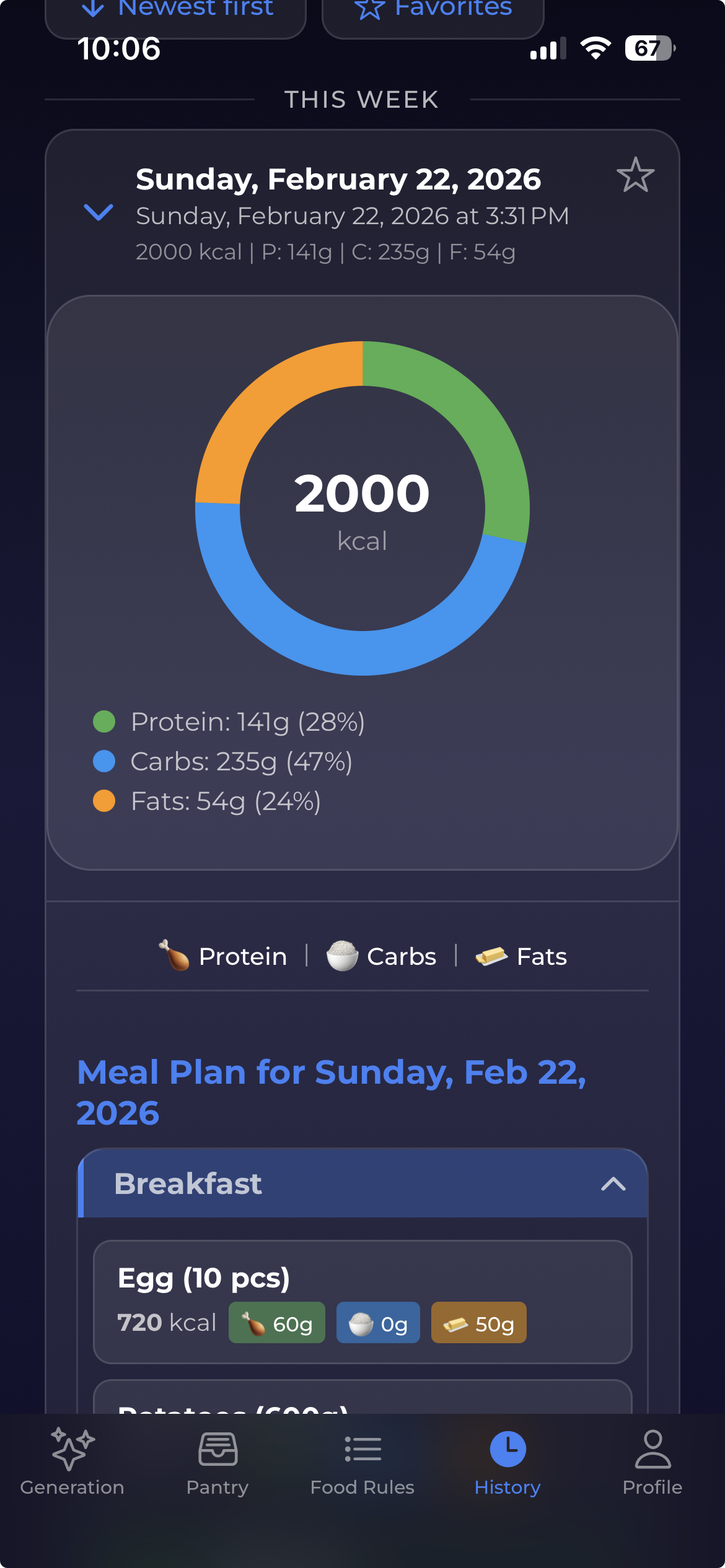
The result: meal plans with exact portions, per-meal macros, and quick recipe instructions — all built around hitting your protein target from the foods you actually have.
Frequently Asked Questions
How much protein do I need per day?
For fitness goals, aim for 1.6-2.2g per kilogram of body weight. For weight loss specifically, go higher at 2.0-2.4g/kg to preserve muscle mass during a calorie deficit. For general health without specific fitness goals, 0.8-1.0g/kg is sufficient.
What are the best high-protein foods for weight loss?
Chicken breast, egg whites, shrimp, tuna (canned in water), Greek yogurt (0%), and cottage cheese (low-fat) offer the most protein per calorie. These foods let you hit high protein targets without exceeding your calorie budget.
Can I get enough protein without meat?
Yes. Tofu, lentils, chickpeas, edamame, Greek yogurt, eggs, and whey protein are excellent sources. Plant protein sources may need combining for complete amino acid profiles, but a varied vegetarian or vegan diet can absolutely meet high protein targets.
Is too much protein bad for you?
For healthy adults, protein intake up to 2.4g/kg of body weight is well-supported by research and considered safe. Higher intakes may be unnecessary but aren't harmful for people with healthy kidneys. If you have pre-existing kidney conditions, consult your doctor.
How does Qedamio help with protein planning?
Set your daily protein target and add your protein sources to the pantry. The AI generates meal plans that hit your target from your available foods, distributing protein evenly across meals for optimal muscle protein synthesis throughout the day.
References
- International Society of Sports Nutrition position stand: protein and exercise. Jäger R, et al. J Int Soc Sports Nutr. 2017. jissn.biomedcentral.com
- USDA FoodData Central — Nutrient database. fdc.nal.usda.gov
- Phillips SM, Van Loon LJ. "Dietary protein for athletes: from requirements to optimum adaptation." J Sports Sci. 2011.
← Back to AI Meal Planner · Related: High Protein Planner · Muscle Building Planner · Cutting Diet Planner · Bulking Meal Plan · Weight Loss Planner · Vegan Meal Planner
Disclaimer: This article is for informational purposes only and does not constitute medical or nutritional advice. Consult a qualified healthcare professional or registered dietitian before making significant changes to your diet, especially if you have pre-existing health conditions.