What to Eat Before and After Your Workout
Fuel your training and maximize recovery with the right pre- and post-workout nutrition.
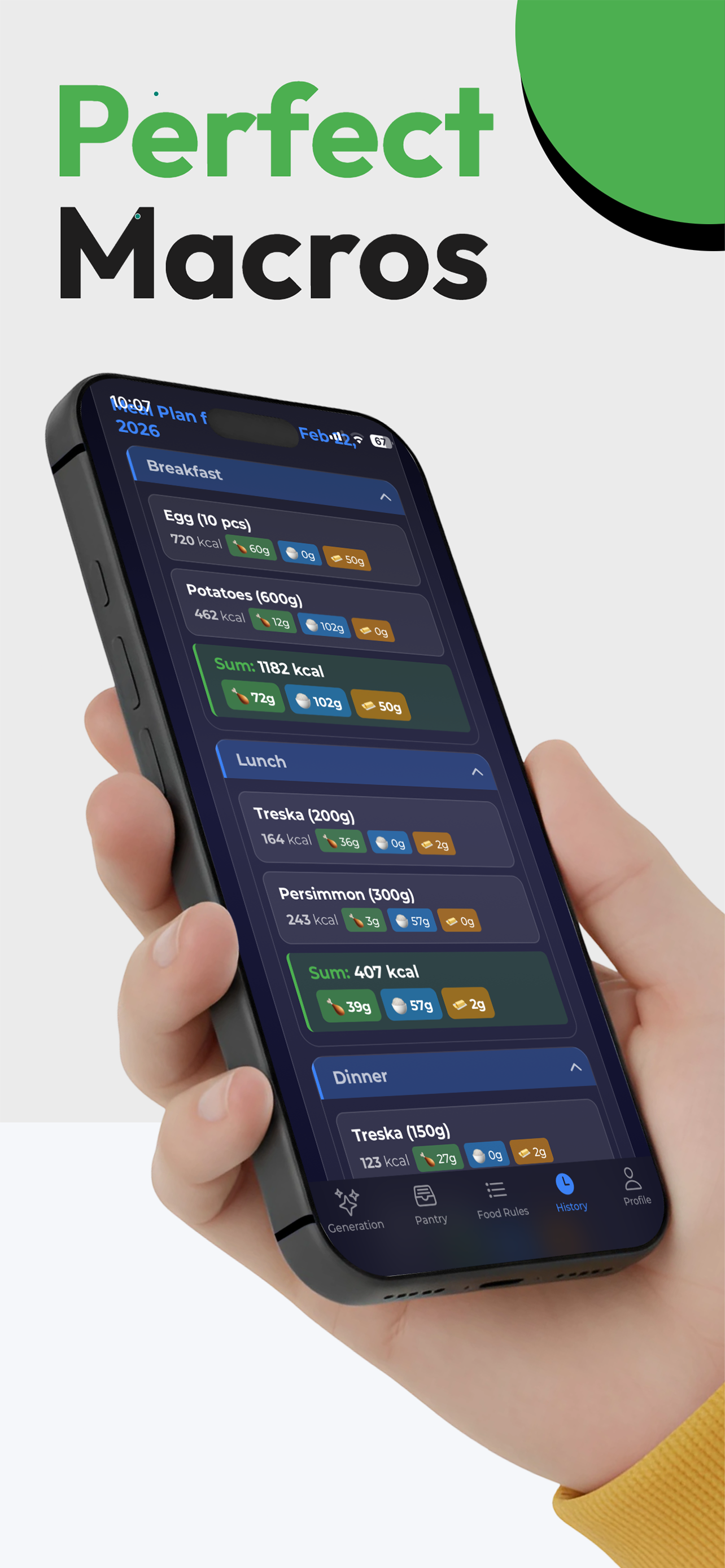
TL;DR: Eat a meal with carbs and protein 2-3 hours before your workout, or a lighter snack 30-60 minutes before. After your workout, eat 20-40g protein with carbs within 2 hours to maximize recovery and muscle growth.
What to Eat Before a Workout
What you eat before training directly affects your performance. The goal is to fuel your muscles with enough energy (carbs) and amino acids (protein) without feeling heavy or sluggish.
Timing
- Full meal: 2-3 hours before your workout. This gives your body time to digest and absorb nutrients.
- Light snack: 30-60 minutes before. Choose something easy to digest — mostly carbs with minimal fat.
Macro Focus
Pre-workout nutrition should prioritize carbohydrates for energy, include moderate protein, and keep fat low. Fat slows digestion, which can cause discomfort during intense training.
Pre-Workout Meal Examples (2-3 Hours Before)
- Oatmeal with banana and a scoop of protein powder
- Rice with grilled chicken breast
- Toast with scrambled eggs
- Sweet potato with lean turkey
Pre-Workout Snack Examples (30-60 Minutes Before)
- Banana
- Rice cake with honey
- Greek yogurt
- A handful of dried fruit
Pre-workout priority: carbohydrates for fuel. Aim for 1-4g carbs per kg body weight 1-4 hours before training. The closer to your workout, the smaller and simpler the meal should be.
What to Eat After a Workout
Post-workout nutrition is about recovery — repairing muscle tissue and replenishing the glycogen your muscles burned during training. Getting your macros right is essential for maximizing these recovery windows.
Timing
Eat within 2 hours after your workout. The old "30-minute anabolic window" is a myth — research shows the window is much wider. That said, the sooner you eat a quality meal, the sooner recovery begins.
Macro Focus
Post-workout meals should include 20-40g high-protein foods to stimulate muscle protein synthesis, plus carbohydrates to replenish glycogen stores. Fat is fine post-workout — it does not impair recovery or nutrient absorption.
Post-Workout Meal Examples
- Chicken breast with rice and mixed vegetables
- Protein shake with banana and oats
- Eggs with toast and avocado
- Salmon with sweet potato and green salad
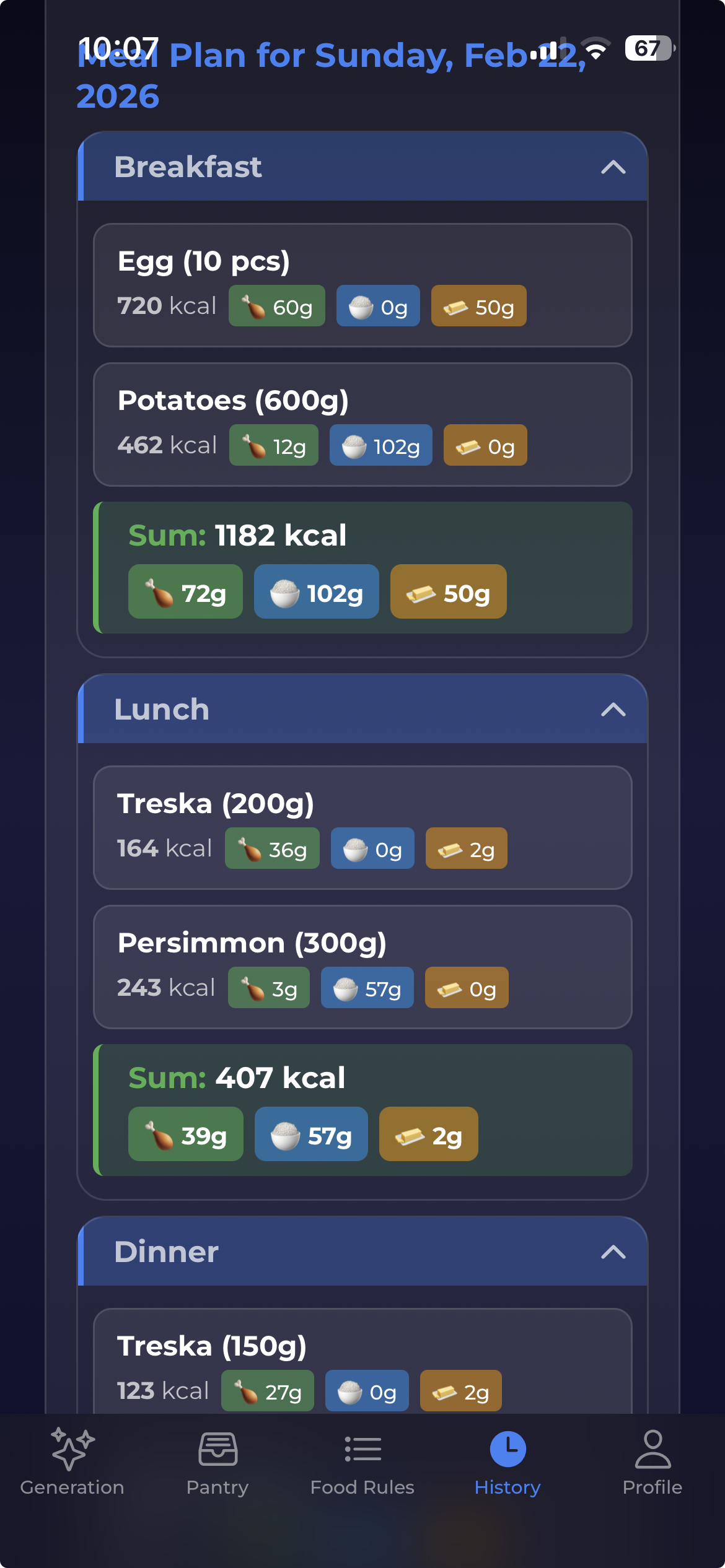
Muscle protein synthesis is elevated for 24-48 hours after resistance training, but the first post-workout meal has the greatest impact. Prioritize protein quality and quantity in that meal — aim for a complete protein source with all essential amino acids.
Pre-Workout vs Post-Workout Nutrition
| Aspect | Pre-Workout | Post-Workout |
|---|---|---|
| Primary Goal | Fuel performance | Recovery & growth |
| Timing | 2-3h before (meal) or 30-60min (snack) | Within 2 hours after |
| Carbs | High — energy source | Moderate-High — glycogen replenishment |
| Protein | Moderate (20-30g) | High (20-40g) |
| Fat | Low — slows digestion | Moderate — doesn't impair recovery |
| Best Foods | Oats, rice, banana, chicken, eggs | Chicken, eggs, protein shake, rice, sweet potato |
Sample Macro-Friendly Workout Day Meal Plan
Here is a full-day example structured around a late-morning workout, with pre- and post-workout meals timed for optimal performance and recovery.
Breakfast (7:00 AM)
Oatmeal with banana and protein powder — 45g C, 30g P, 8g F
Pre-Workout Snack (10:00 AM)
Rice cake with honey — 30g C, 2g P, 1g F
Post-Workout Meal (12:30 PM)
Chicken breast, white rice, mixed vegetables — 50g C, 40g P, 10g F
Afternoon Snack (3:00 PM)
Greek yogurt with berries — 20g C, 20g P, 5g F
Dinner (7:00 PM)
Salmon, sweet potato, green salad — 40g C, 35g P, 15g F
Daily Total: ~2,200 kcal, 185g C, 127g P, 39g F. Adjust portions up or down based on your individual calorie and macro targets.
How to Automate Workout Nutrition with AI
Planning workout nutrition manually every day is tedious. Qedamio automates the entire process — you set your macro targets and food rules, and the AI generates optimized meal plans from the foods in your pantry.
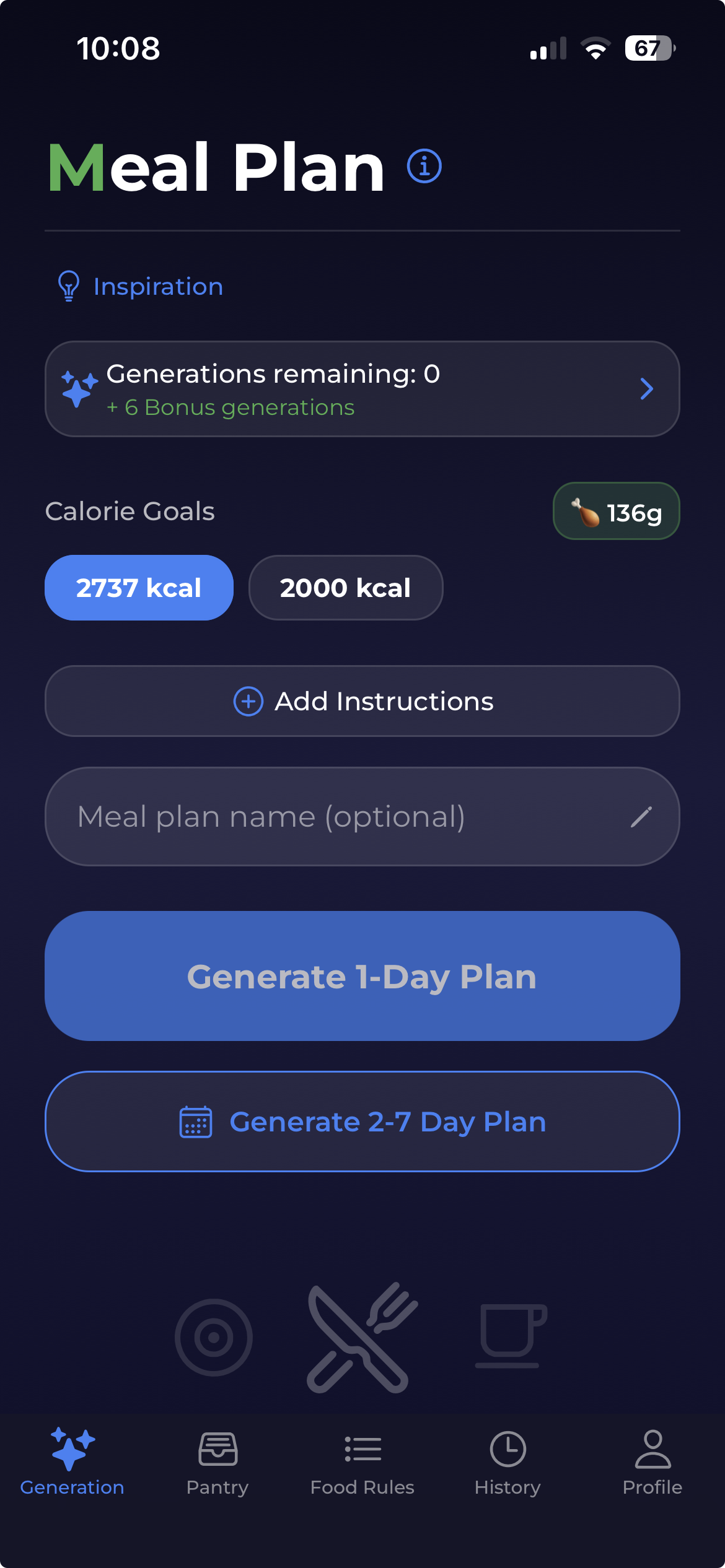
- Set macro targets: Enter your protein, carb, and fat goals. The AI distributes macros optimally across all meals in your plan.
- Use food rules: Tell the AI how to structure meals around training — "high-carb breakfast", "post-workout meal with 40g protein", "keep dinner light".
- Generate from your pantry: The AI uses strictly the foods you have — it never invents or adds ingredients. Add what is in your kitchen and get a plan that works.
- Daily or weekly plans: Generate fresh plans every day for variety, or use multi-day generation (Pro) to meal prep for the entire week.
- Consistent workout nutrition: No more guessing what to eat before or after the gym. Every plan is macro-optimized and ready to follow.
Frequently Asked Questions
What should I eat before a workout?
A meal with carbs and moderate protein 2-3 hours before, or a carb-focused snack 30-60 minutes before. Avoid high fat pre-workout as it slows digestion and can cause discomfort during training.
What should I eat after a workout?
20-40g protein with carbs within 2 hours. This maximizes muscle protein synthesis and glycogen replenishment. A complete meal with chicken, rice, and vegetables is an excellent choice.
Is it bad to work out on an empty stomach?
Fasted training is fine for low-intensity cardio, but for strength training, having fuel improves performance. If you train early, even a small snack like a banana helps provide energy.
What is a macro-friendly meal plan?
A meal plan designed around specific macronutrient targets (protein, carbs, fats) rather than just calories. It ensures you get the right balance for your fitness goals — whether that is building muscle, losing fat, or improving athletic performance.
Can Qedamio create workout-specific meal plans?
Yes. Set your macro targets and use food rules to structure meals around your training schedule. The AI generates plans from your pantry that match your workout nutrition needs.
References
- Kerksick CM, et al. "International Society of Sports Nutrition position stand: nutrient timing." J Int Soc Sports Nutr. 2017. jissn.biomedcentral.com
- Aragon AA, Schoenfeld BJ. "Nutrient timing revisited." J Int Soc Sports Nutr. 2013.
- American College of Sports Medicine position stand: nutrition and athletic performance. Med Sci Sports Exerc. 2016.
← Back to AI Meal Planner · Related: Macro Planner · High Protein Planner · Muscle Building Planner · High Protein Foods Guide · Bulking Meal Plan
Disclaimer: This article is for informational purposes only and does not constitute medical or nutritional advice. Consult a qualified healthcare professional or registered dietitian before making significant changes to your diet, especially if you have pre-existing health conditions.